
The LURA team
Formulation and scientific documentation
Why you can't fall asleep,and why melatonin isn't the answer
You're tossing in bed. Your brain is replaying tomorrow's to-do list. The body is tired, but the nervous system is on alert. Sound familiar? The problem isn't a lack of melatonin, it's the cortisol that stays high in the evening.
Available today, for sleep
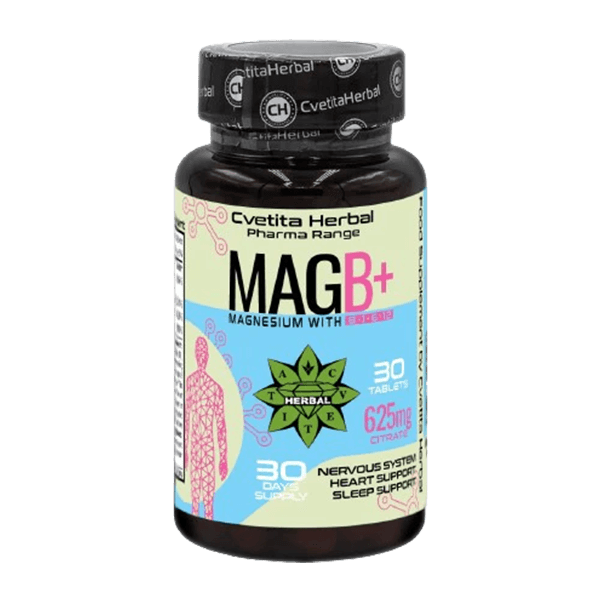
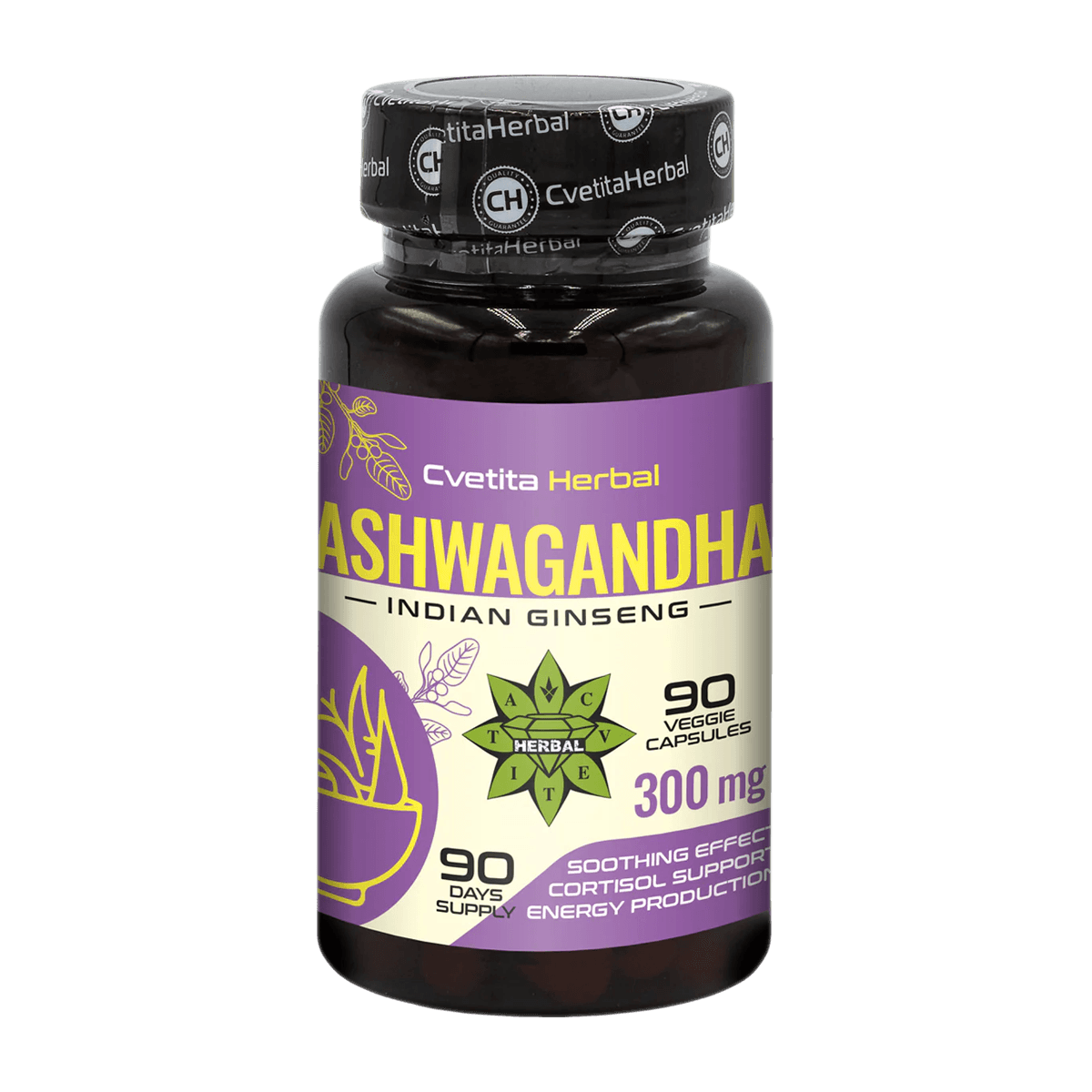
Magnesium with B6 and B12 is the evening tablet — magnesium contributes to the reduction of tiredness and fatigue. The ashwagandha carries a stated extract dose. Others make them, we sell them.
What's actuallykeeping you awake
Melatonin tells the brain "it's night now". But if your cortisol is high, and under chronic stress it is, melatonin can't override it. That's why you fall asleep for 20 minutes, then wake up at 3 am.
For women the problem is double: cortisol rises from stress, and progesterone (which helps sleep) drops in the luteal phase. The result, insomnia right before your cycle, every month.
Most sleep supplements act on the signal, not the cause. Melatonin is a hormone — it tells the brain "it's night", but it doesn't touch cortisol. Valerian has weak and inconsistent study data. And the herbs in one "sleep tea" bag are several times below the studied doses.
Three ingredients, three mechanisms,specific doses
Magnesium bisglycinate, 670 mg
The bisglycinate form is gentler on the stomach than the oxide, which is the cheap form most tablets use. Magnesium contributes to the normal function of the nervous system and to the reduction of tiredness and fatigue. There are 670 mg in the sachet, on their own line on the box.
In stock today: Magnesium with Vitamin B Complex · 20,49 €
L-theanine, 200 mg
An amino acid found in nature almost only in tea leaves. A cup of green tea holds 20 to 30 mg; the sachet carries 200 mg, about seven or eight cups worth, without their caffeine. Doesn't cause drowsiness, you can read or talk, but the brain gradually "shuts down" on its own.
Ashwagandha, 300 mg (root extract)
300 mg of ashwagandha root extract per sachet, for the evening. The extract comes from the root only, not the leaves: the root is the part with traditional use. The amount is fixed and printed on the box, not something you measure with a spoon.
In stock today: Ashwagandha Extract · 34,99 €
Corti-Glow contains 4 more ingredients (L-Glycine 2000 mg, myo-inositol 2000 mg, choline bitartrate 250 mg, vitamin B6 1.4 mg), more on the science page.
Comparison:what works and what doesn't
| Corti-Glow | Melatonin | Sleep tea | |
|---|---|---|---|
| Contains an ingredient studied for cortisol | Yes, 300 mg ashwagandha | No | No |
| Ingredients with a fast mechanism of action | Yes, magnesium + L-theanine | Yes | Minimal |
| Hormone in the composition | No | Yes | No |
| Morning grogginess | No | Often | No |
| Ingredients with clinical studies | Yes (PubMed, doses on the label) | Yes | Rarely |
Frequently askedquestions about sleep supplements
Does Corti-Glow contain melatonin?
No. Melatonin tells the brain it is night. We do not touch that switch. Corti-Glow is a different thing: a sachet stirred into a glass of cold water before bed, seven ingredients in evening doses, and the magnesium in them contributes to normal nervous system function. No melatonin, no sleeping pill.
How quickly will I notice an effect on sleep?
Magnesium contributes to normal nervous system function and to the reduction of tiredness. Beyond that we give you amounts rather than promises, and you can compare them with whatever else you are holding: 300 mg, 200 mg and 2000 mg per sachet.
Can I take it if I'm on other sleep medication?
Magnesium and L-theanine rarely interact with medication, but ashwagandha can amplify sedatives. So before combining — ask your doctor.
Is it suitable for men?
The formula is designed for women — the doses and composition follow the female monthly cycle. Men can take it, but there are better-fitting options for them.
Will it make me groggy in the morning?
The composition contains no hormones — unlike melatonin, which leaves some people with morning "fog". In the Nobre et al. (2008) study, 200 mg of L-theanine is associated with a "calm but awake" profile, without drowsiness.
The evening can be different.
Magnesium, ashwagandha and collagen are in stock today. Our own Corti-Glow sachet is still in production.
See what is in stock