
The LURA team
Formulation and scientific documentation
Supplements for women
What your body actually needs in the evening
Most supplements for women are made for morning use. But your body recovers at night — when cortisol drops, muscles relax and hormonal balance regulates. Corti-Glow is an evening sachet with 7 active ingredients designed for this process.
Available today
The multivitamin states a percentage of the daily reference intake for 9 of its 12 ingredients — the numbers are on the label. Others make them, we sell them.
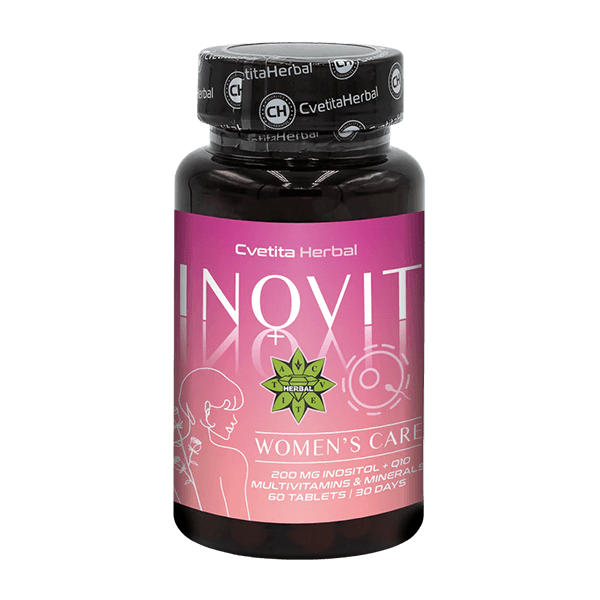 Inovit 365 Multivitamins and MineralsTwelve ingredients in two tablets, 60 tablets for 30 days · The box reads Иновит 36534,99 €
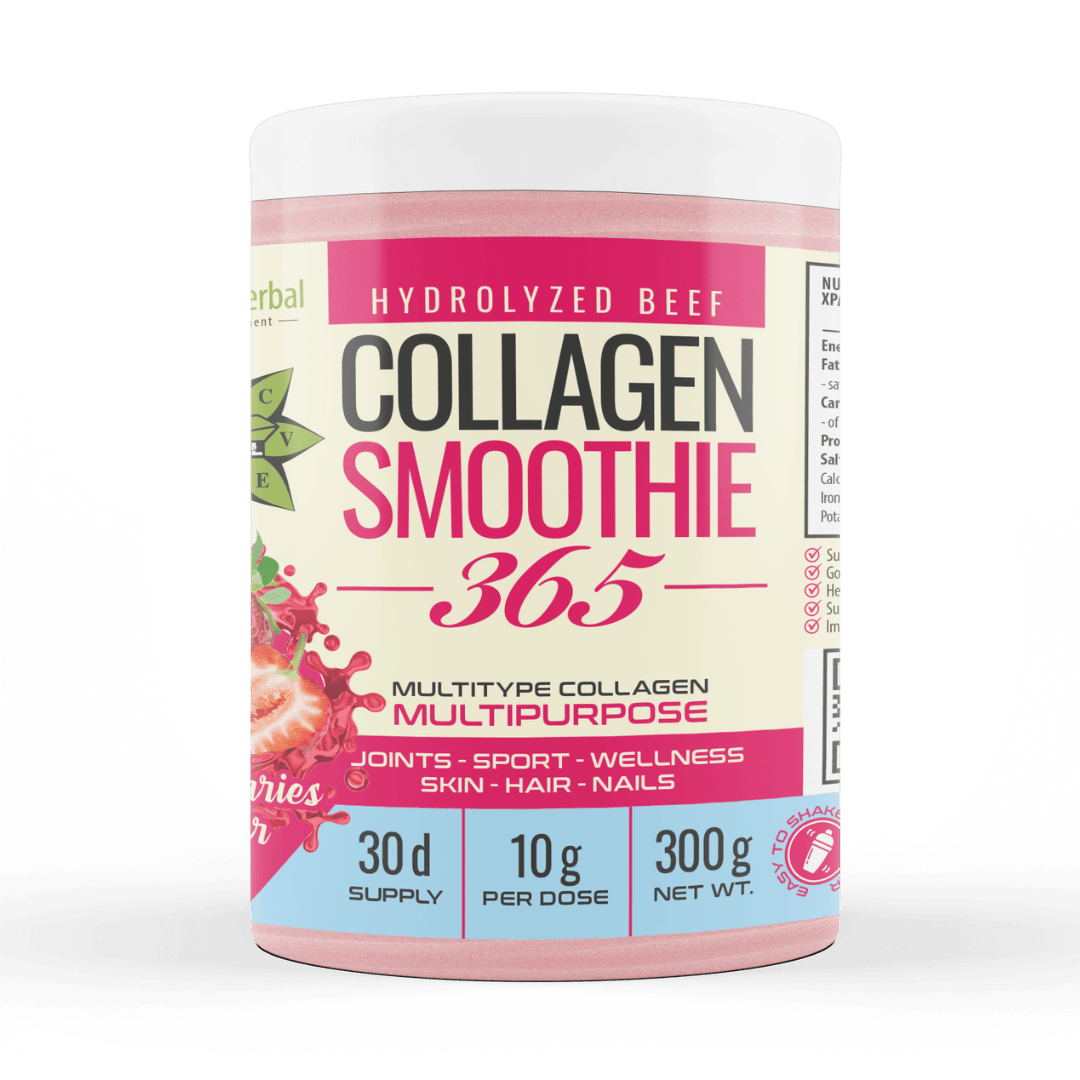 Collagen Smoothie 3658.9 g of bovine collagen and 100 mg of vitamin C per serving, three flavours · The tub reads Колаген Смути 36537,99 €
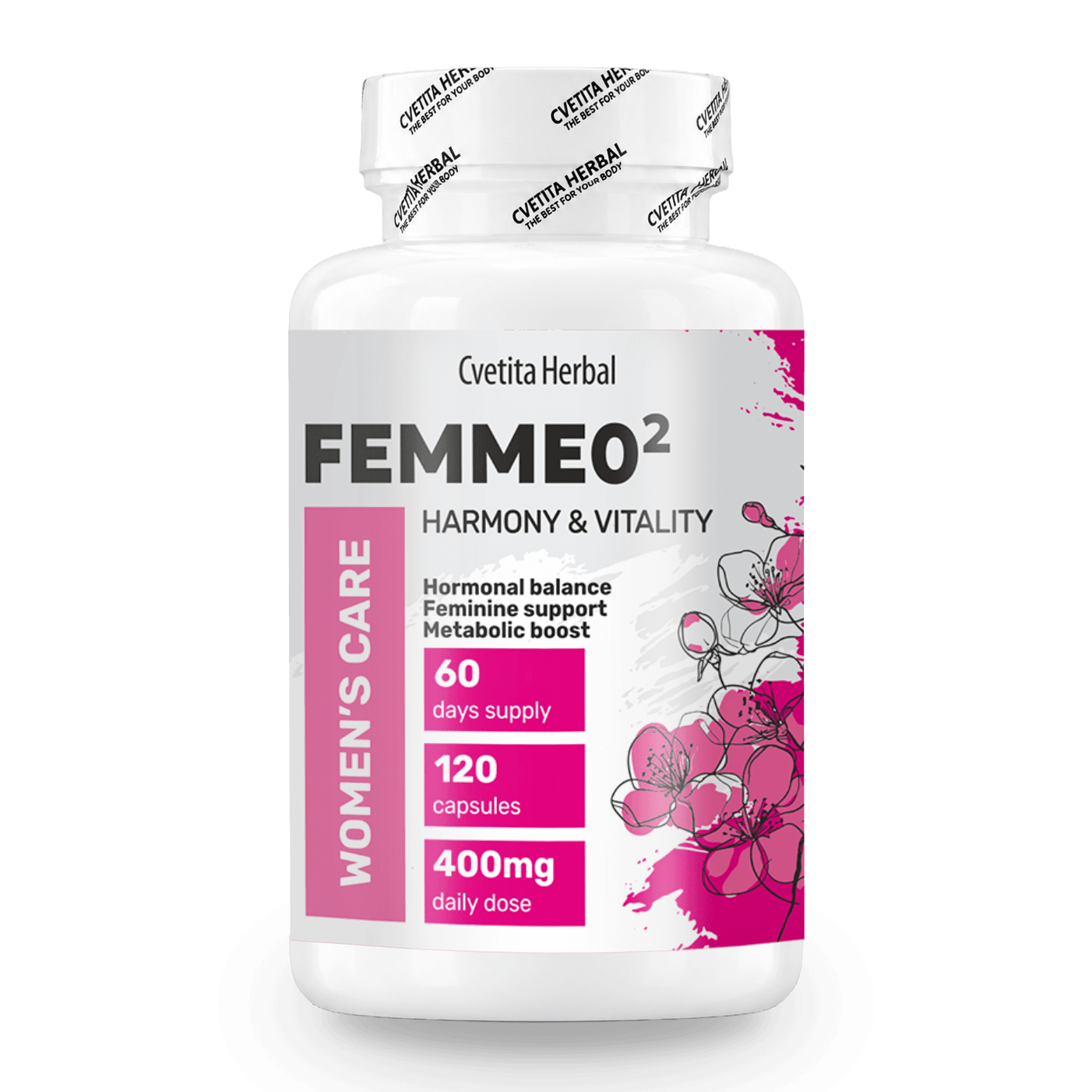 FEMME O2 · Tribulus, Maca, Siberian Ginseng280 mg tribulus, 80 mg maca and 40 mg Siberian ginseng per capsule · The box reads FEMME O237,99 €
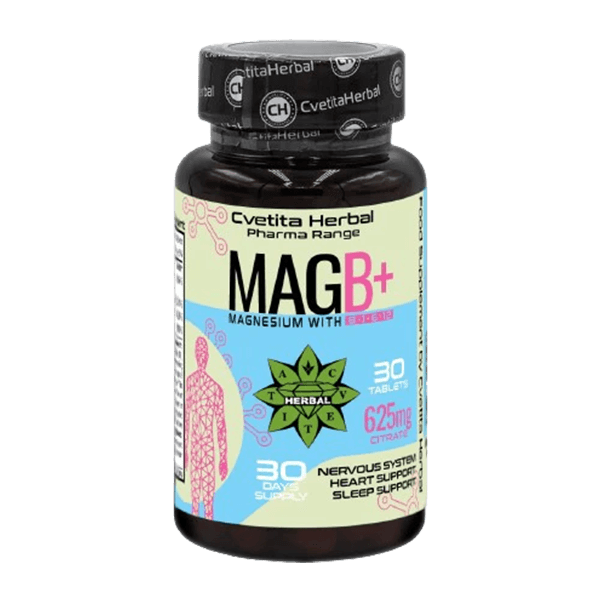 Magnesium with Vitamin B Complex625 mg of magnesium citrate with B1, B6 and B12 in one evening tablet20,49 €
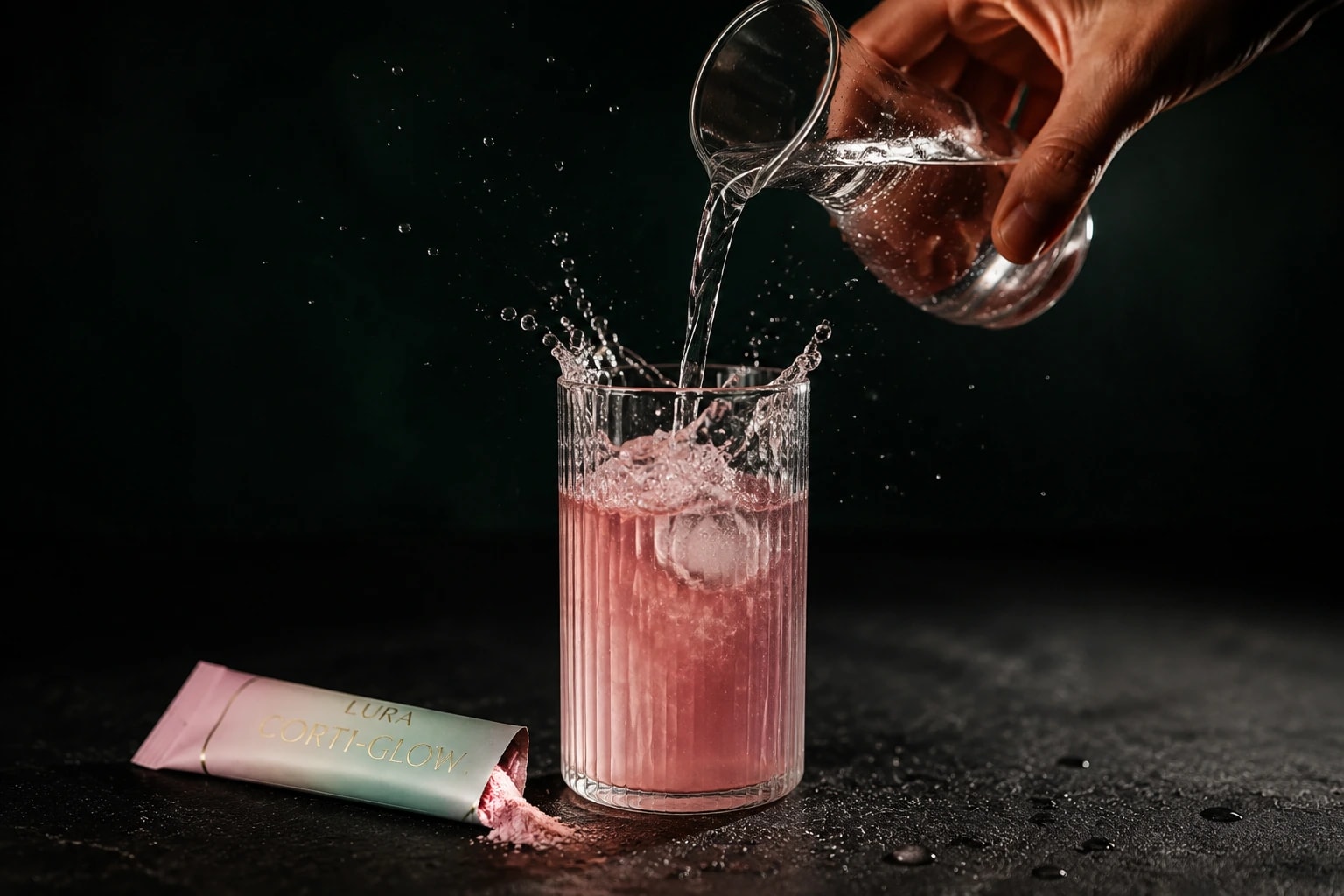
Why evening, not morning?
Cortisol is highest early in the morning — that's normal and gives you energy to get up. The problem is when it stays high in the evening too: from chronic stress, screens, insomnia or PMS.
When cortisol doesn't drop, melatonin isn't released enough. Result: bad sleep, irritability, morning fatigue. And the cycle repeats.
Evening intake works with your body's natural rhythm. Magnesium contributes to normal muscle and nervous system function, and the sachet carries 670 mg of it alongside 300 mg of ashwagandha root extract. Every number is its own line on the box.
7 ingredients, grouped by function
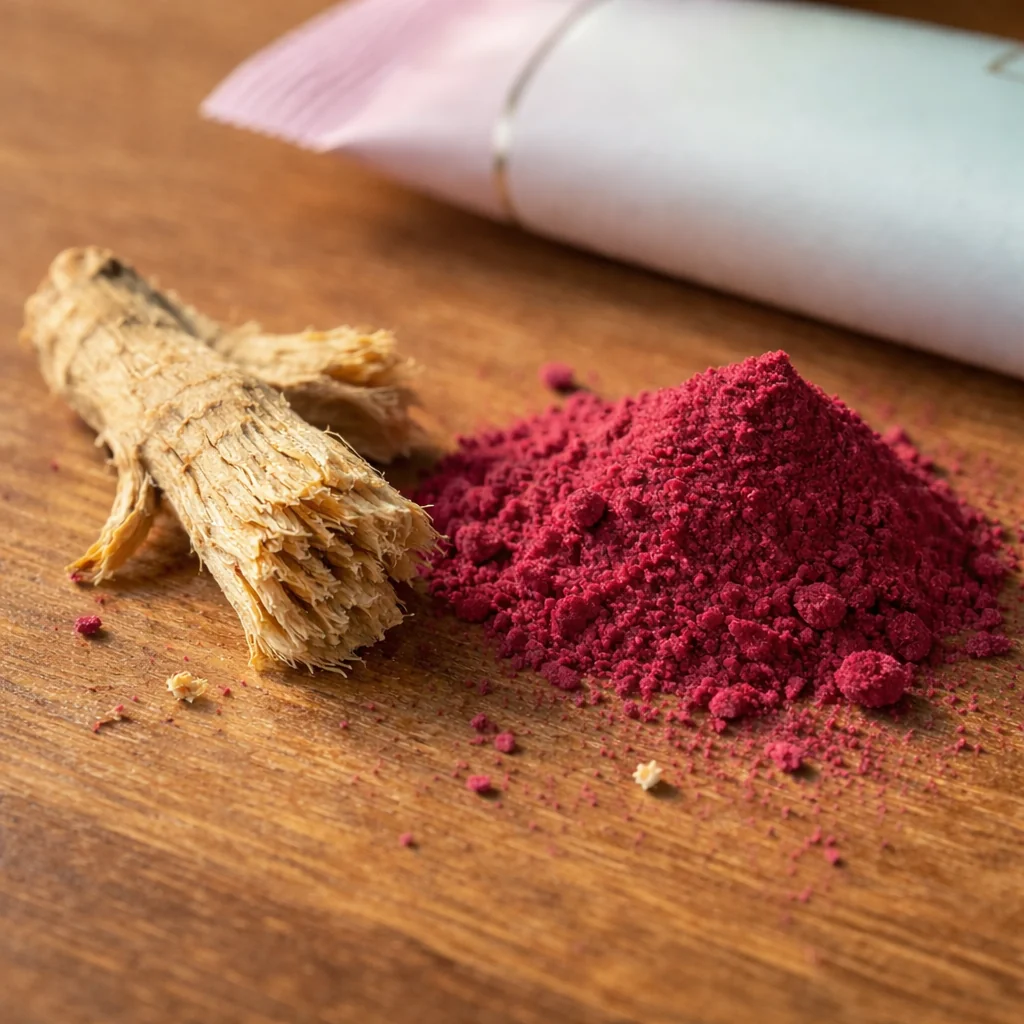
For sleep and relaxation
Magnesium bisglycinate — 670 mg
Chelated form bound to glycine. Absorbed without stomach discomfort. Glycine has also been studied for sleep quality (Kawai 2007).
L-theanine — 200 mg
Amino acid from green tea. In EEG studies, 200 mg is associated with more alpha brain waves 30–45 minutes after intake — calm without drowsiness (Nobre et al., 2008).
L-glycine — 2000 mg
The smallest of the amino acids, a single molecule with no side chain. The sachet carries 2000 mg of it, level with the myo-inositol: the two largest amounts in the formula.
For stress
Ashwagandha — 300 mg (root extract)
Root extract, 300 mg per sachet. Root, not leaf, and printed on its own line rather than folded into a blend total you cannot check.
Just ashwagandha? We carry it on its own too — 300 mg of root extract, 90 capsules.See the product →For cycle and hormones
Myo-inositol — 2000 mg
The most common of the nine inositol isomers: about 95% of the inositol in the body is this one. The sachet carries 2000 mg, the largest single amount in the formula.
Vitamin B6 — 1.4 mg (100% RDI)
Pyridoxine hydrochloride — 100% of the Reference Daily Intake. Contributes to normal hormonal activity regulation and participates in neurotransmitter synthesis.
Who Corti-Glow is for (and who it's not)
Right for you if:
- —You're 25–40 and have moderate to high daily stress
- —You have trouble falling asleep or wake up tired
- —PMS drains you physically or emotionally
- —You want one evening dose instead of 5 separate bottles
Not right if:
- —You're pregnant or breastfeeding
- —You have a diagnosed condition that requires treatment
- —You take medication for thyroid or blood pressure (consult your doctor)
- —You expect a magic fix in 3 days
How to take it
Dose: 1 sachet + 200–300 ml cold water, stir for 10 seconds.
When: In the evening, 30–60 minutes before bed. Every day.
Taste: Forest fruits. No added sugar — gently sweetened with stevia.
Expectations: Magnesium and L-theanine — 7–14 days. Ashwagandha and myo-inositol — 4–8 weeks for full effect.
Frequently asked questions about supplements for women
Which supplements are most important for women?
Magnesium (for sleep and muscle tension), myo-inositol (for menstrual cycle and insulin sensitivity) and vitamin B6 (for hormonal balance). Many women don't reach the recommended daily magnesium intake from food alone — which is why it's the first ingredient people ask about.
Is it safe to combine multiple supplements at once?
Yes, when doses are calibrated. Corti-Glow contains 7 ingredients in doses individually studied in clinical trials. None exceed the upper tolerable intake. If you take medication, consult a doctor.
Why are supplements for women taken in the evening rather than morning?
The sachet is built for the evening: one a night, dissolved in cold water, and the doses are set for a single daily intake rather than split across the day. Magnesium contributes to normal muscle and nervous system function.
How quickly are results felt?
Magnesium and L-theanine are felt from the first week (easier falling asleep, less muscle tension). Ashwagandha and myo-inositol require 4–8 weeks of continuous intake for full effect.
Can I take supplements for women during pregnancy?
Corti-Glow is not intended for pregnant or breastfeeding women. Ashwagandha lacks sufficient safety data during pregnancy. Consult a doctor for suitable alternatives.
What's the difference between magnesium bisglycinate and magnesium oxide?
Bisglycinate is a chelated form — bound to the amino acid glycine. It absorbs significantly better than oxide and doesn't cause stomach discomfort. Glycine has also been studied for sleep quality (Kawai 2007).